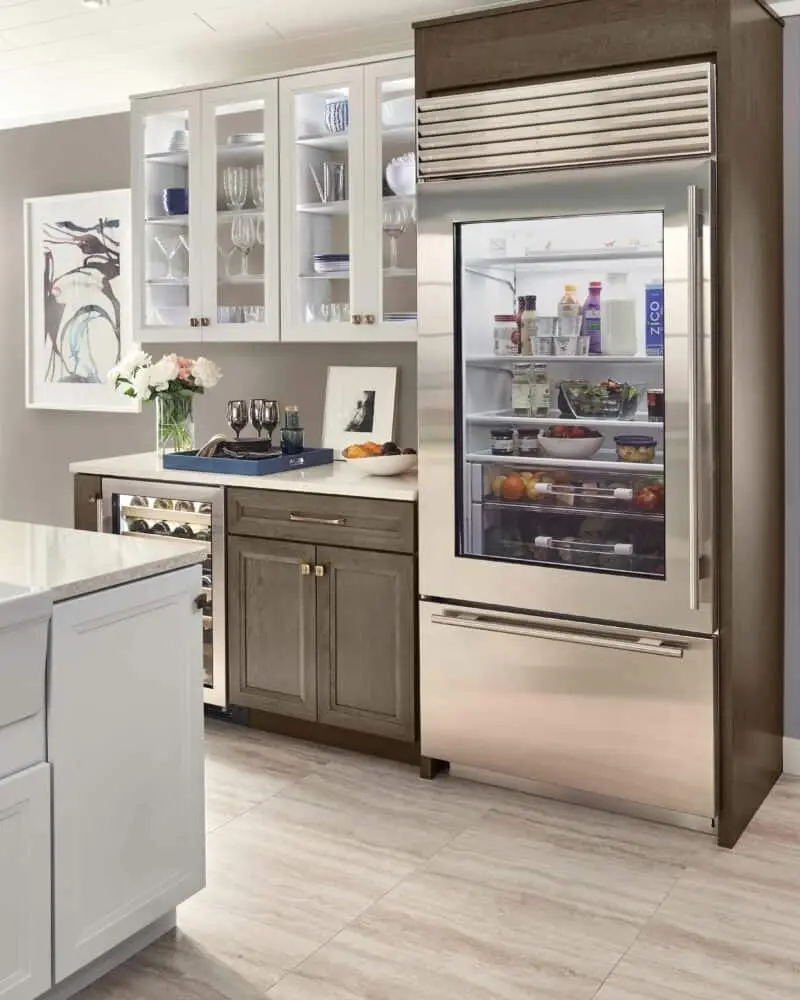
When a Sub-Zero ice maker stops making ice, the cause is usually one of three things: water is not reaching the ice mold, the freezer is not cold enough for the ice maker to finish a cycle, or a part inside the ice maker itself has failed. On most visits the culprit is a frozen fill tube, a water valve that no longer opens, or an ice maker module whose motor or thermostat has quit. Each of these is a single repair, and a few causes can be ruled out at home in ten minutes.
This guide covers the ice makers built into Sub-Zero refrigerators and freezers, plus the stand-alone undercounter ice machines, and explains what we check on service calls across Los Angeles.
Rule Out the Simple Causes First
Before you assume a part has failed, look at the settings and the obvious mechanical stops.
- The ice maker is switched off. Many Sub-Zero models let you turn ice production off from the control panel, and some older units have a switch on the ice maker itself. A cleaning session can turn it off without anyone noticing.
- The bin thinks it is full. Older ice makers use a wire arm that rises when the bin fills. If the arm is stuck up, or the bin has been pushed back crooked, the ice maker stops on purpose.
- The water filter is overdue. A clogged filter slows the water to a trickle, and the mold fills too little to make usable cubes. If the filter light is on or you cannot remember the last change, start there.
- The water supply is closed. After plumbing work or a kitchen remodel, the shutoff valve behind or below the unit is sometimes left partly closed.
If the ice maker is on, the bin is seated correctly, the filter is fresh and the water valve is open, the problem is inside the appliance.
Water Is Not Reaching the Mold
A Sub-Zero ice maker fills its mold through a short tube that runs from the water valve into the freezer. Because the end of that tube sits in freezing air, many models wrap it with a small heater. When that heater fails, or a slow drip or a door left open overnight gets ahead of it, the tube freezes solid. The ice maker still runs its cycle and the motor still turns, but no water arrives, so you get an empty bin and no error.
The water valve is the next suspect. It is an electric valve that opens for a few seconds each cycle. When its coil fails, or when scale builds up on the small screen at its inlet, the valve stops opening or lets only a little water through. Los Angeles water is hard, and we find mineral buildup in these valves often. Our article on hard water damage in Los Angeles explains why that happens and what it does to other appliances in the kitchen.
If the water dispenser on the door still pours normally but the ice maker stays dry, the frozen fill tube is the likely cause, because the dispenser uses a separate path. If both are weak or dead, the problem sits further back: the filter, the valve or the house supply.
The Freezer Is Running Too Warm
An ice maker will not harvest cubes until the mold reaches a set temperature well below freezing. In a freezer that has drifted warmer than it should be, the water in the mold may freeze slowly or only partly, and the ice maker waits. The first sign is usually fewer cubes, then soft ice cream, then no ice at all.
The causes are the same ones that make any freezer run warm: an evaporator fan that has stopped, a coil iced over after a defrost part failed, a door gasket that no longer seals, or a condenser clogged with dust. Sub-Zero freezers are meant to sit near 0 degrees Fahrenheit, and a simple freezer thermometer on the middle shelf tells you quickly whether the cold is the issue. If it is the fresh food side that has gone warm while the freezer holds, that is a different fault, and our guide to a Sub-Zero refrigerator running warm while the freezer stays cold walks through it.
A Failed Ice Maker Module
The ice maker itself is a small assembly with a motor, a thermostat, a mold heater and an ejector arm. In a normal cycle the thermostat senses that the water has frozen, the heater warms the mold just enough to loosen the cubes, and the arm sweeps them into the bin. Then the valve opens for the next fill.
When the thermostat fails, the ice maker never learns that the cubes are ready. When the heater fails, the cubes stay stuck in the mold and the arm stalls against them. When the motor fails, nothing moves. A mold full of frozen cubes that never drop is a strong sign that the module is the problem. On many Sub-Zero models the module is replaced as one unit, which keeps the repair short.
Small, Hollow or Slow Ice
An ice maker that still works but makes thin, hollow or clumped cubes is telling you something. Hollow cubes usually point to low water pressure or a restricted filter, so the mold never fills all the way. Clumps and cubes fused into a block often mean the bin has been through a partial thaw, which can come from a freezer door that does not close fully or a defrost problem.
Undercounter Sub-Zero Ice Machines
Sub-Zero also builds stand-alone undercounter ice makers for bars, kitchens and outdoor spaces. These machines work differently. They make clear ice by running water over a chilled grid, and some installations rely on a drain pump to carry meltwater away. The faults we find most are scale on the water system, a drain line or pump that has backed up, and a condenser that needs cleaning because the machine sits low in a dusty or warm spot. Regular cleaning keeps them producing, and our ice maker repair page covers these machines along with the other brands we service.
What a Repair Visit Looks Like
The technician starts with the questions above: is the ice maker on, is water reaching it, and is the freezer cold enough. The technician checks the fill tube for ice, tests the water valve, reads the freezer temperature and runs the ice maker through a test cycle to see which step fails. You get the quote before any work starts. Our trucks carry the water valves, fill tube heaters and ice maker modules that fail most on Sub-Zero units, so most ice maker repairs are finished in one visit.
When the fill tube was frozen, the technician also looks for the reason, such as a door that does not close fully or a heater that has failed, so the line does not freeze again a week later. Throw out the first batch or two of new ice, since it can taste stale from water that sat in the line.
Ice maker work is part of our full Sub-Zero repair service, and we handle other makes through our refrigerator repair team. We cover Sub-Zero kitchens from the San Fernando Valley to the Westside, including Sub-Zero repair in Beverly Hills, with same-day appointments on most weekday calls. To book a visit, call 818-855-7988.
Frequently Asked Questions
Why does my Sub-Zero water dispenser work but the ice maker does not?
The dispenser and the ice maker share the water valve but use separate lines after it. When water pours from the door and the ice maker stays dry, the fill tube to the ice maker is often frozen, or the side of the valve that feeds the ice maker has failed.
How do I reset a Sub-Zero ice maker?
On many models you can turn ice production off and back on from the control panel, or unplug the unit for a minute. That clears a stuck cycle. If the ice maker still does not fill or harvest after a reset, a part has failed and needs to be tested.
Can a dirty water filter stop a Sub-Zero from making ice?
It can. A clogged filter cuts the water flow so the mold fills only part of the way, and the cubes come out small or not at all. Replacing an old filter is the first thing to try.
Is it worth repairing a Sub-Zero ice maker?
In almost every case. The parts that fail, such as a water valve, a fill tube heater or the ice maker module, are small repairs on an appliance built to run for many years. Fixing the ice maker keeps the rest of a working Sub-Zero in service.
How long does a Sub-Zero ice maker take to make ice after a repair?
The first cubes usually come within a few hours once the freezer is at temperature. A full bin takes roughly a day, so plan on a bag of ice for that first evening if you are hosting.